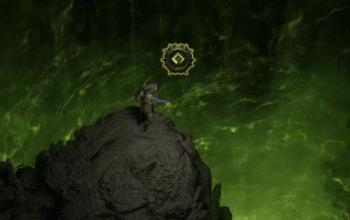
In Path of Exile 2, the journey doesn’t end once you’ve reached the campaign’s conclusion. Much like its predecessor, the true depth of Path of Exile 2 lies in its endgame content, where players are challenged with increasingly complex systems, high-tier bosses, and an abundance of rewards that push your character’s capabilities to the limit. The endgame in Path of Exile 2 is designed to provide a rich and varied experience that rewards preparation, skill, and perseverance. This guide will break down some of the key aspects of the endgame and provide you with the tools to succeed.
The Atlas of Worlds and Mapping System
Much like in Path of Exile 1, the endgame in Path of Exile 2 revolves around the Atlas of Worlds. This system allows players to explore and conquer randomized maps that offer a mix of challenge, loot, and experience. The Atlas can be accessed after completing the main story, and it becomes the primary mode of progression for endgame players.
Key Elements of the Atlas System:
Map Crafting: You can modify maps using different Currency Orbs (like Orbs of Alchemy or Chaos Orbs) and Fragments, adding difficulty modifiers, new monsters, or additional rewards to make your maps more challenging and rewarding. Certain maps may also have modifiers like increased monster difficulty, elemental effects, or even specific bosses that drop rare loot.
Map Tiers: Maps in Path of Exile 2 are classified into different tiers, from Tier 1 (easy) to Tier 16 (extremely difficult). As you progress through the Atlas, the difficulty of the maps increases, offering better rewards but also demanding more powerful gear and strategies.
Elder Influence & Shaping the Atlas: The endgame also introduces the concept of Elder Influence, which can alter the structure of the Atlas. As you progress, you’ll encounter the Elder, a powerful entity that can reshape the map system, introducing additional challenges and rewarding you with high-level loot. Mastering the Atlas will require you to face this influence head-on.
Sextants and Modifiers: Adding further complexity, you can use Sextants to modify the layout of your maps, changing the type of loot you receive, the difficulty of enemies, or introducing rare bosses. Sextants are a form of craftable consumables that make the endgame both challenging and rewarding.
Endgame Boss Fights
One of the defining features of Path of Exile 2 is its variety of endgame bosses, each offering unique challenges and rewards. These bosses are designed for players who have already reached the highest levels and equipped themselves with the best possible gear.
Notable Endgame Bosses:
The Shaper and The Elder: These returning characters from Path of Exile 1 are key figures in the endgame and require excellent preparation and gear to defeat. The Shaper and Elder boss fights are multi-phase encounters with high damage mechanics, requiring you to focus on dodging, timing, and maximizing DPS.
Uber Bosses: Endgame bosses in Path of Exile 2 include some difficult “Uber” versions of regular bosses, as well as completely new encounters. These fights are designed to push your character’s limits, and successful completion yields some of the best loot in the game, including unique items and powerful upgrades.
Delirium Encounters: Delirium is an optional but challenging mechanic in the endgame where players enter a zone that distorts reality, with waves of POE 2 Currency progressively harder monsters. The Delirium mechanic introduces mirror bosses, multiple modifiers, and increased rewards the deeper you go into the chaos.
Endgame Systems and Progression
Apart from the Atlas of Worlds, Path of Exile 2 introduces several additional systems that further expand the possibilities for endgame progression.
Labyrinth and Ascendancy Trials
After completing the campaign, players can access the Labyrinth, a dungeon filled with traps, monsters, and puzzles. Successfully completing the Labyrinth rewards players with Ascendancy Points, which provide access to powerful new class bonuses. These points can be invested in the Ascendancy Skill Tree, which offers more customized and powerful abilities for your character.
The Labyrinth’s Challenges: The deeper you go, the more difficult the challenges become. At higher levels, the Labyrinth will feature more dangerous traps and powerful bosses. For those looking to push their characters to the next level, completing these labyrinthine trials will provide essential rewards.
c. Faction Reputation & Reward Systems
In the endgame, faction-based content provides additional progression through Reputation Systems. By completing tasks, bounties, and special quests, you’ll earn reputation with various factions, each offering unique rewards, including high-tier currency, rare items, or crafting materials.
Crafting and Currency Systems
Crafting remains a central part of Path of Exile 2, and as you enter the endgame, you’ll begin crafting high-tier items that provide boosts to your power.
Key Crafting Systems:
Currency Orbs: As you progress, you will need more advanced currency orbs to modify and improve your gear. These include orbs that can alter stats, change modifiers, or even create entirely new items from scratch. Exalted Orbs, Divine Orbs, and Orb of Fusing are key examples of crafting materials you’ll use regularly.
Fossils & Essences: These items can be used in crafting to guarantee specific outcomes or modify an item with high-quality attributes. Fossils offer very specific crafting bonuses, while Essences can be used to add powerful affixes to rare items.
Harvest Crafting: This method allows players to grow crafting materials in special zones and use them to modify items. Harvest crafting provides some of the POE 2 Currency for sale most powerful and flexible crafting options in the game, enabling you to fine-tune your endgame gear.Challenges and Achievements
Endgame in Path of Exile 2 is also about chasing achievements and completing challenges. These rewards can be cosmetic or practical, such as unlocking new skill effects, titles, or exclusive items. Some of the most difficult and rewarding challenges include:
Clearing Uber Bosses: The most difficult bosses in the game drop some of the best cosmetic rewards, such as skins, pet effects, or weapon skins.
Endgame Achievements: These can range from completing all maps in the Atlas, completing specific challenges (such as Delirium or Shaper completions), and even achievements related to building specific types of gear or items.
Map and League Mechanics
Path of Exile 2 will also introduce ongoing league mechanics that rotate in and out of the game. These leagues are a great way to experience fresh content and earn significant rewards. Examples might include:
Metamorph League: Players gather monster parts and create powerful bosses for unique loot.
Incursion: Modify ancient temples to gain powerful loot, while simultaneously changing the course of the world.
Heist: Steal loot from highly secured vaults.
Leagues add replayability and often present new ways to approach Path of Exile 2’s endgame.
Conclusion
The endgame in Path of Exile 2 offers an expansive, challenging, and rewarding experience that will keep you engaged for hours. Whether you’re mastering the Atlas of Worlds, defeating Uber bosses, or crafting powerful gear, there is always something new to conquer in the game’s endgame. By focusing on map progression, endgame bosses, crafting, and challenges, you’ll be able to unlock the full potential of your character and enjoy some of the most rewarding experiences the game has to offer.